
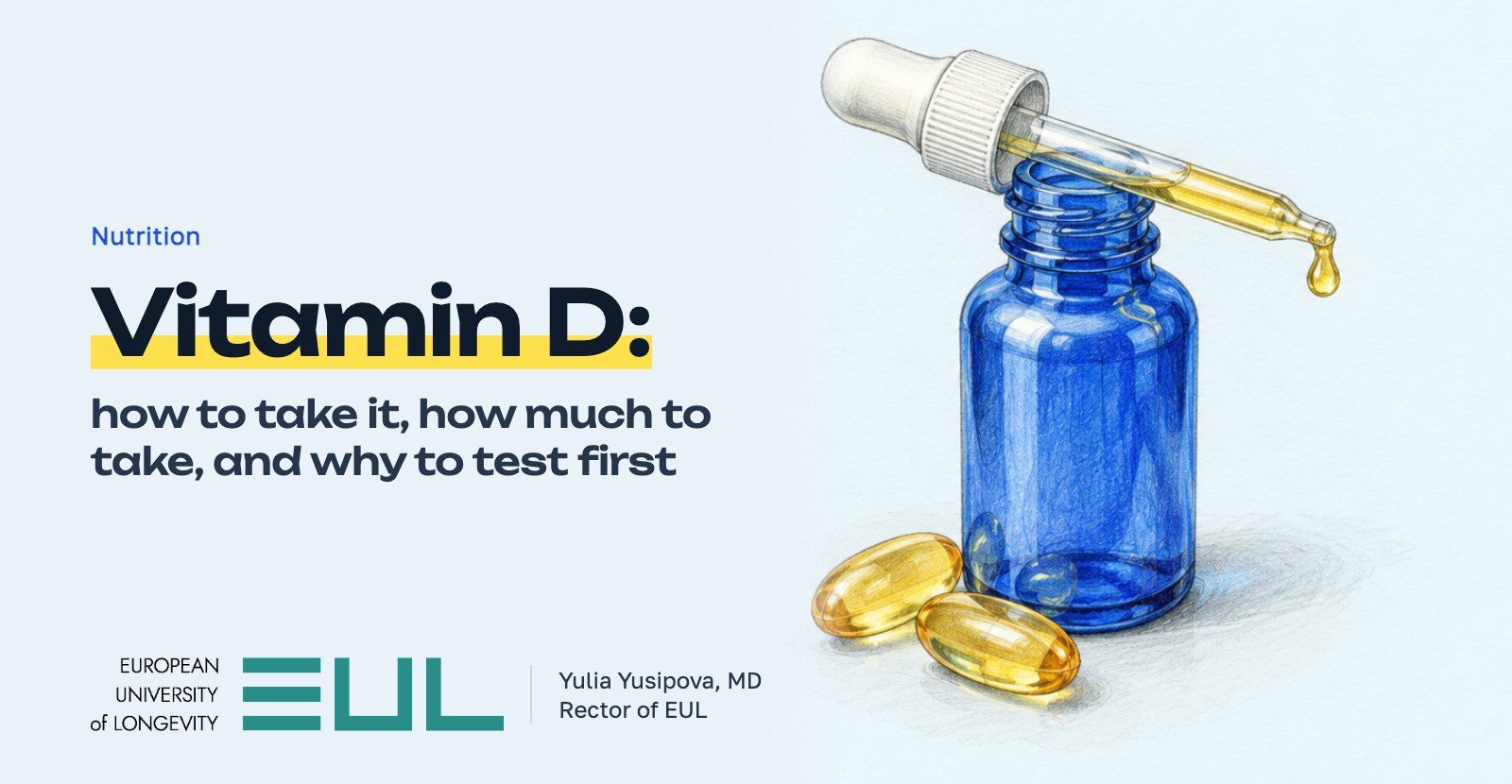
Vitamin D: how to take it, how much to take, and why to test first

How to take vitamin D: once a day with food, as D3, at the daily amount or by your test. What trials on tens of thousands showed, and why bolus doses carry risk.
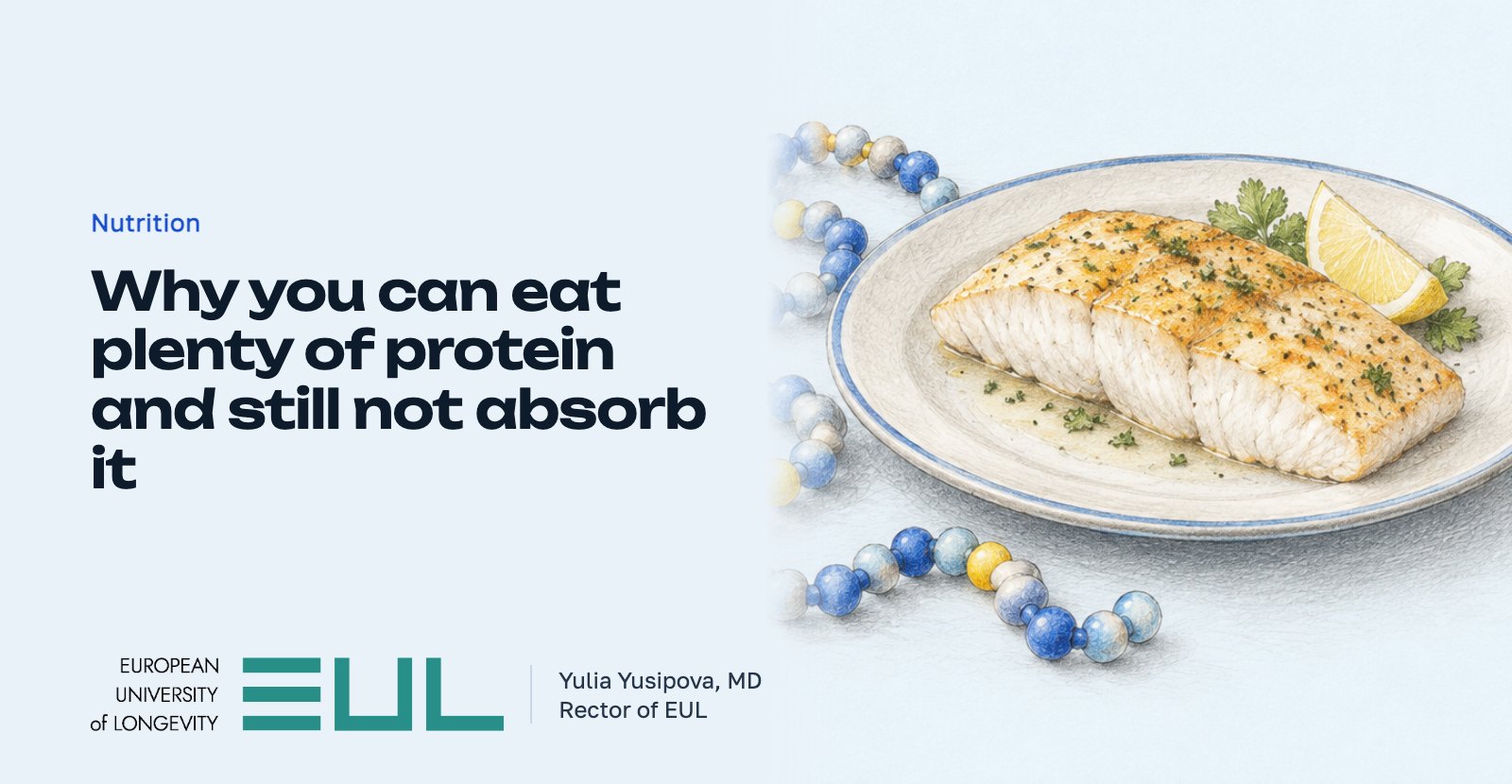
Why you can eat plenty of protein and still not absorb it
The protein you eat and the protein you absorb are two different numbers. Which tests show protein absorption, why albumin stays normal for so long, and how to check step by step.
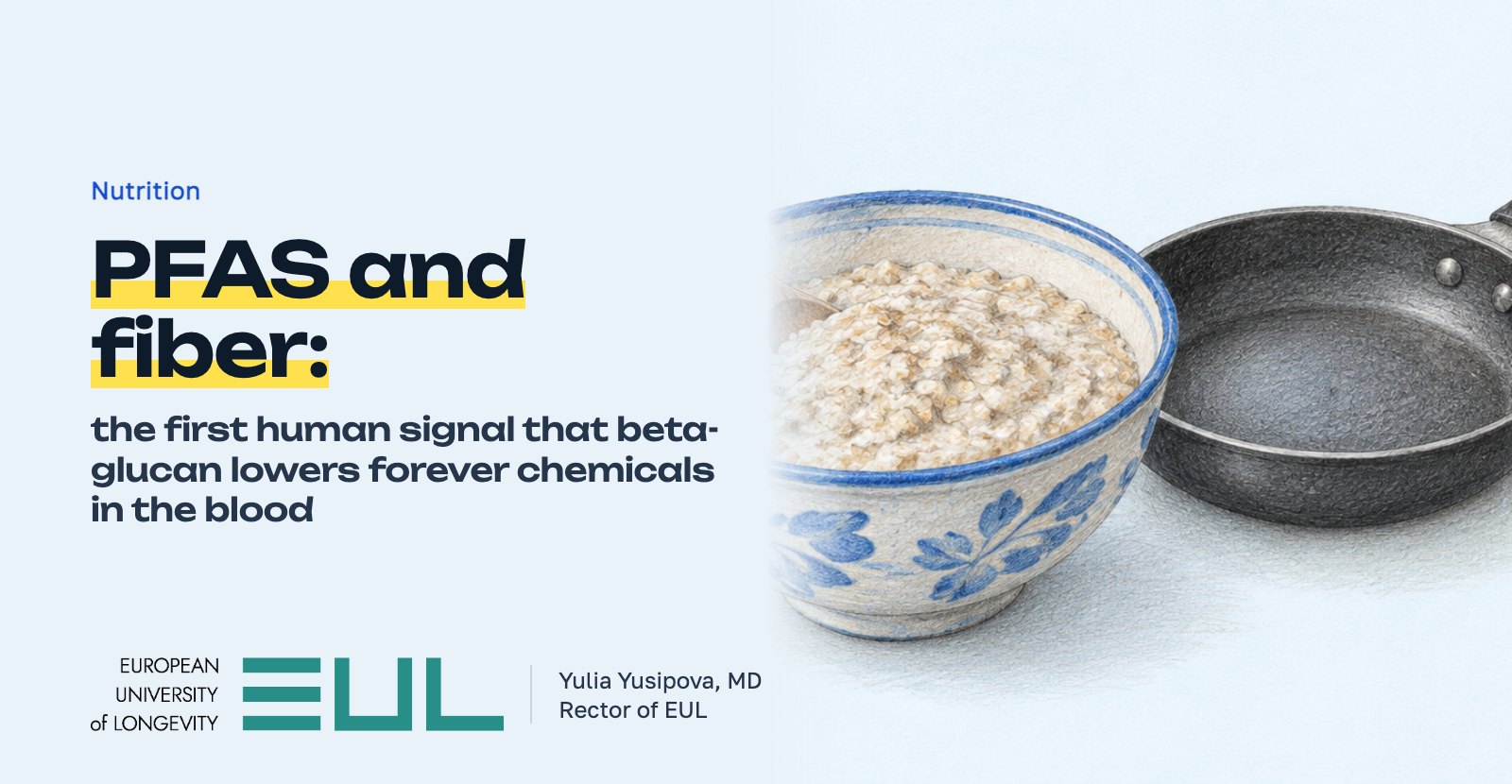
PFAS and fiber: the first human signal that beta-glucan lowers forever chemicals in the blood
A 2025 pilot study in men: about 3 grams of oat beta-glucan a day for four weeks lowered long-chain PFAS in the blood. How viscous fiber traps them, the data's limits, and practical steps.
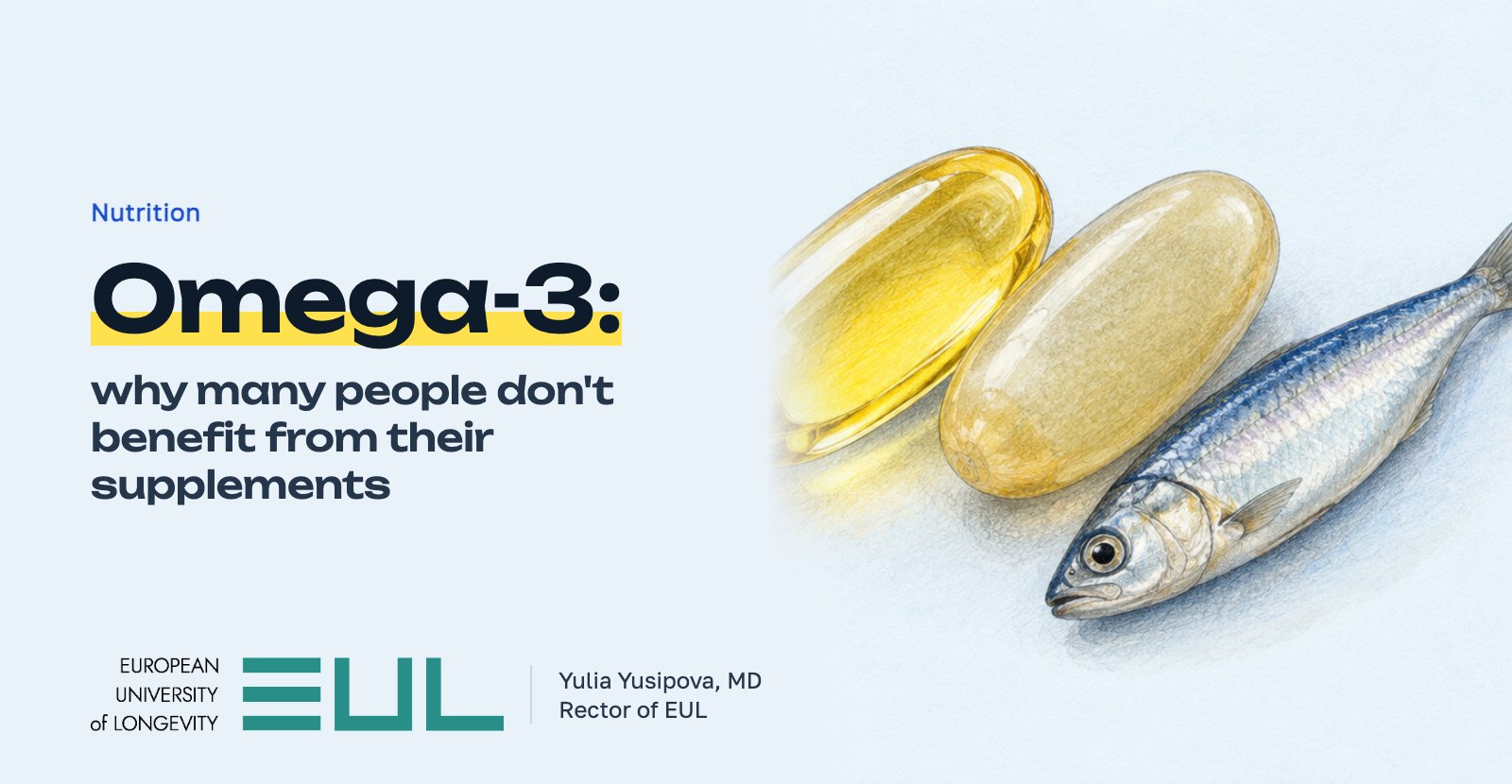
Omega-3: why many people don’t benefit from their supplements
The form of omega-3 decides how much reaches your cells. Triglycerides beat ethyl esters, enteric coating helps with fishy burps, and an Omega-3 Index above 8% is the goal.
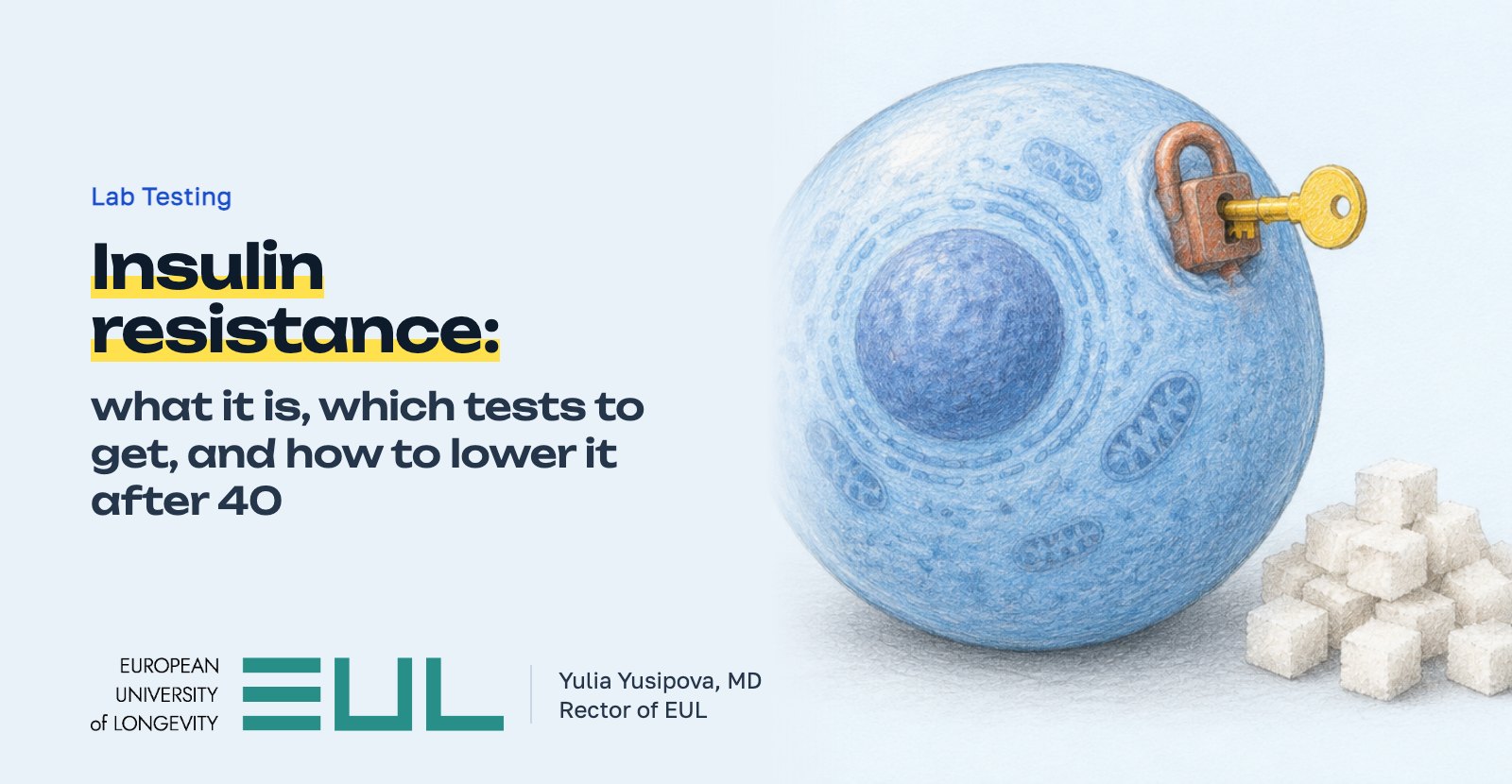
Insulin resistance: what it is, which tests to get, and how to lower it after 40
Fasting glucose can stay normal for years while insulin climbs. Which tests to ask for, how to calculate HOMA-IR yourself, and what lowers insulin resistance after 40.
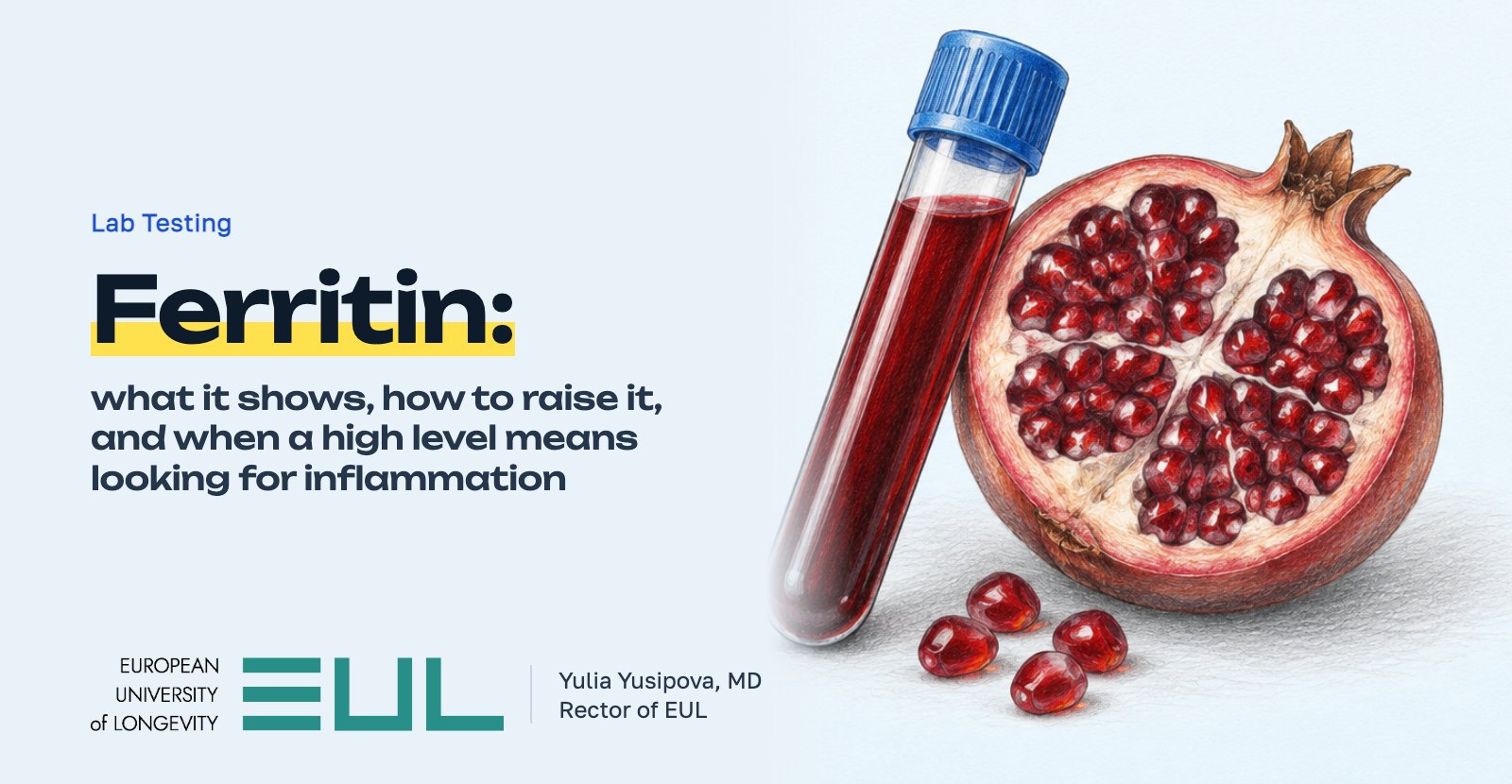
Ferritin: what it shows, how to raise it, and when a high level means looking for inflammation
Ferritin is the body's iron storage protein. A low result can be trusted; a high one proves nothing without CRP and transferrin saturation. How to raise it, lower it, and which tests to take.
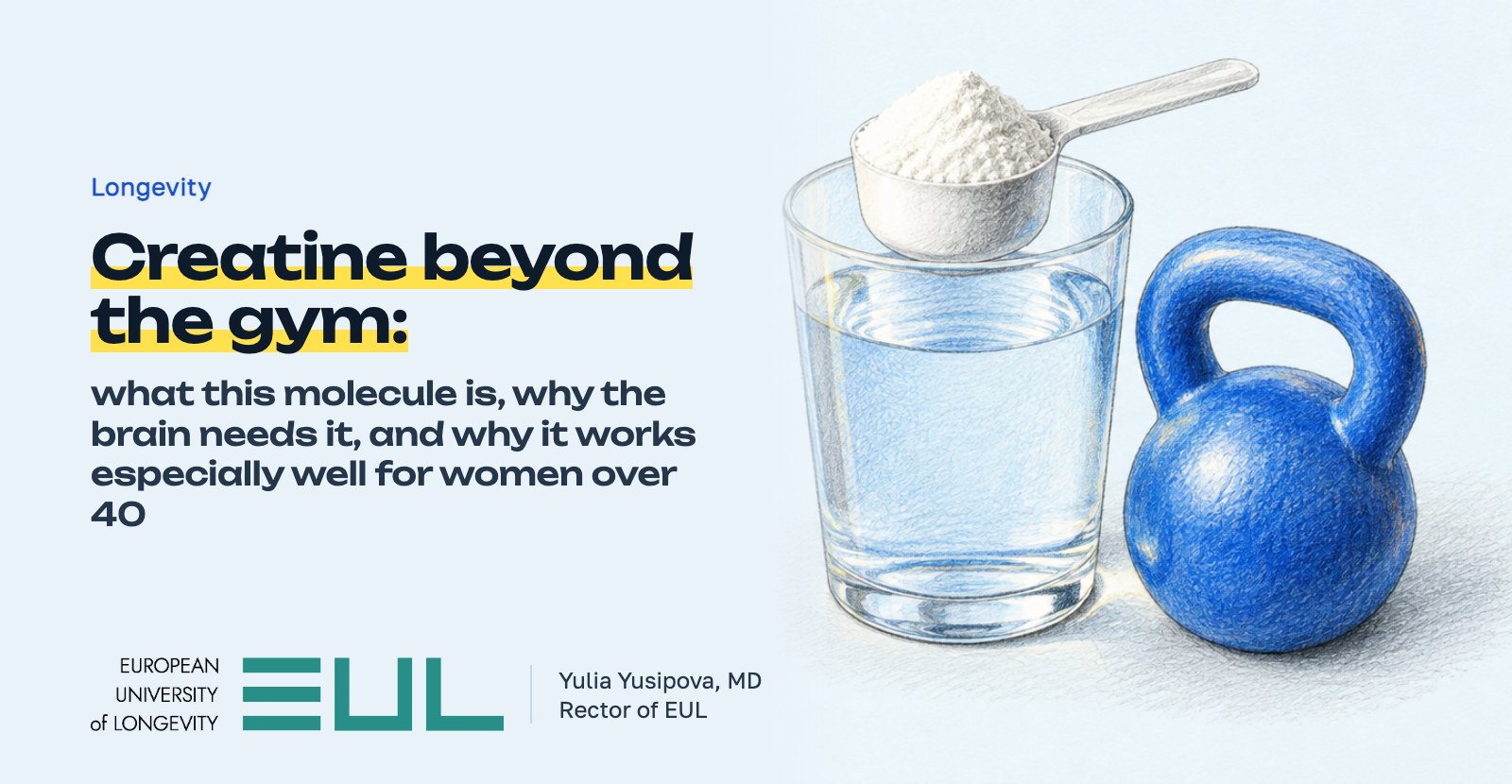
Creatine beyond the gym: what this molecule is, why the brain needs it, and why it works especially well for women over 40
Creatine works for muscle, bone and the brain. Doses differ by goal, women over 40 respond especially well, and the kidney and hair-loss myths fall apart once you look at the mechanism.